

How Psychology Shapes the Gaming Experience: The Science Behind Neuroplay Studios
How Psychology Shapes the Gaming Experience: The Science Behind Neuroplay Studios
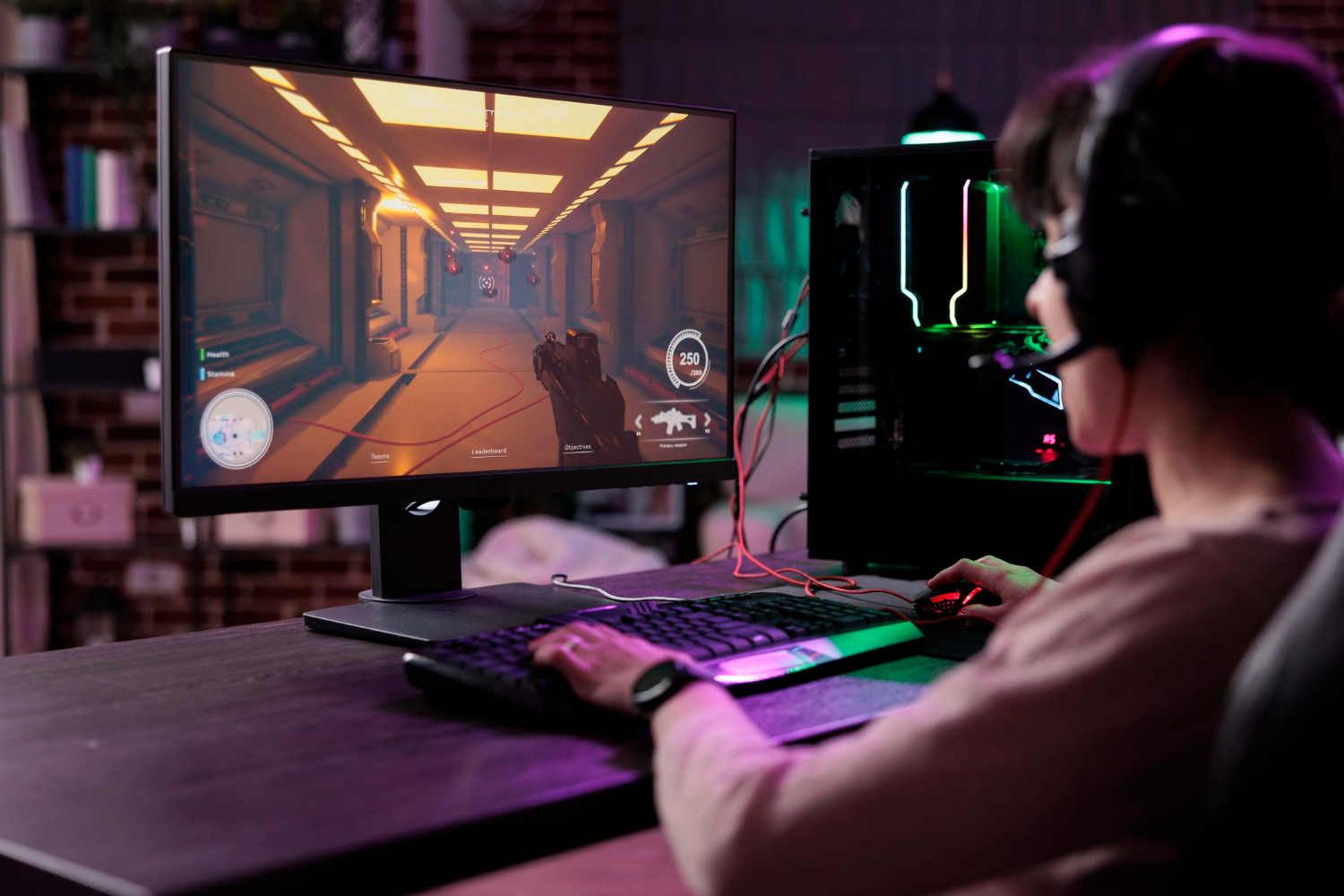
How Psychology Shapes the Gaming Experience
Ever wondered why you just have to play “one more round” before calling it a night? Or why some games make you feel like a tactical genius while others keep you chasing that next level-up like a cat after a laser pointer? Well, friends, it’s not magic—it’s psychology!
At Neuroplay Studios, we don’t just make games; we design experiences that tap into the core of human behavior. Our secret weapon? Behavioral science. From engagement loops to reward systems and player motivation, every aspect of our games is carefully crafted to keep players entertained, challenged, and coming back for more.

Gamer Community
The Science of “Just One More Round”
You know the feeling. You tell yourself, “Just five more minutes,” and suddenly the sun is rising, your coffee is cold, and you’ve somehow managed to join a guild, battle a boss, and redesign your entire team strategy. But why does this happen?
Engagement Loops: The Dopamine Engine
At the heart of every addictive game is an engagement loop. This is the psychological cycle that keeps players hooked. It works like this:
- Action – You take an action (defeat an enemy, score a goal, make a decision).
- Reward – You get a satisfying response (loot, experience points, a dramatic plot twist).
- Anticipation – Your brain lights up, craving that next reward.
- Repeat – And so, you go again.
Games like ours utilize short-term rewards (instant gratification for small achievements) and long-term goals (major milestones that require persistence) to keep players in the loop. It’s the same principle that makes social media scrolling so addictive—only, in our case, you’re actually achieving something instead of watching cat videos (although, we love those too).
The Power of Reward Systems: Loot, Levels, and Leaderboards
Humans love rewards. We’re wired for it. Our brains release dopamine—the “feel-good” neurotransmitter—when we achieve something. That’s why well-designed reward systems are essential in gaming.
At Neuroplay Studios, we use different types of rewards to enhance engagement:
- Variable Rewards: You never quite know what’s in that treasure chest, do you? That mystery keeps you coming back for more.
- Milestone Rewards: Whether it’s unlocking a rare player in our football manager game or finally reaching level 100, milestone rewards give a sense of progress and accomplishment.
- Social Rewards: Leaderboards, achievements, and multiplayer interactions trigger the human need for competition and recognition. Nothing feels better than topping the charts or earning bragging rights.
By mixing these reward types, we create an irresistible cycle of motivation and satisfaction.
Player Motivation: Why We Play the Games We Play
Not all gamers are created equal. Some love strategy, others crave storytelling, and some just want to blow things up in the most spectacular way possible. Understanding player motivation is key to designing games that appeal to a wide audience.
Neuroplay Studios categorizes player motivation into three main types:
1. The Achievers
These are the players who want to win, level up, and collect everything. They love completing challenges, unlocking rare achievements, and maximizing their stats. If you’ve ever spent hours grinding for that legendary item, congratulations—you’re an Achiever.
2. The Explorers
Explorers play games for the journey, not just the destination. They want to uncover secrets, dive into rich lore, and experiment with different playstyles. Our upcoming RPG and puzzle games cater to these players with intricate worlds and hidden surprises.
3. The Socializers
For Socializers, gaming is all about community and connection. They thrive in guilds, multiplayer modes, and online forums. That’s why our games integrate strong community features—from Discord groups to in-game events where players can interact, strategize, and, of course, show off their victories.
The Future of Psychology-Driven Game Design
At Neuroplay Studios, we’re always learning, evolving, and experimenting with new ways to apply psychology in game development. The future of gaming isn’t just about stunning graphics and powerful AI—it’s about understanding what makes players tick and designing experiences that are not only engaging but meaningful.
Imagine a game that adapts to your playing style in real time, offering you the right balance of challenge and reward. Or a game that understands when you’re feeling frustrated and adjusts difficulty accordingly. That’s where we’re headed, and we can’t wait to take you along for the ride.
Final Thoughts: Playing With Your Brain (In a Good Way!)
Games are more than just digital distractions; they’re powerful experiences that tap into deep psychological principles. At Neuroplay Studios, we believe that understanding player psychology allows us to craft games that are immersive, rewarding, and unforgettable.
So, next time you find yourself saying, “Just one more round,” remember—it’s not just the game. It’s science. And we’re here to make sure it keeps you having fun, learning, and pushing your limits in the best way possible.